


How I Learned Python Without a CS Degree
Two years ago, I stared at my first line of Python code: print("Hello, World!"). I had no degree, no mentor, and no idea where to start. Today, I tutor students in programming and build web apps. Here’s the exact roadmap that got me here—free, practical, and beginner-friendly.
Step 1: Start with Why, Not Syntax
Don’t jump into tutorials yet. Ask: “What do I want to build?” (a game? a website? automate tasks?) Your “why” keeps you going when you hit bugs.
Step 2: Learn the Core 20% That Solves 80% of Problems
Focus on these first:
- Variables, data types (
str,int,list,dict) - Conditionals (
if/else) - Loops (
for,while) - Functions
- Basic error handling
Free Resource: Python for Everybody (Coursera) — free to audit.
Step 3: Code Every Single Day (Even 15 Minutes)
Consistency > intensity. I used Replit (browser-based, no setup) and automated boring tasks: rename files, scrape weather data, track homework deadlines.
My first project: A script that reminded me to drink water every hour. Silly? Yes. Motivating? Absolutely.
Step 4: Embrace the Struggle
Debugging is learning. When stuck: 1) Read the error, 2) Google it, 3) Ask on r/learnpython, 4) Walk away.
Mindset shift: “I’m not bad at coding—I’m in the process of getting good.”
Step 5: Teach to Learn
Explaining concepts to others (even imaginary students!) cements your knowledge. That’s why I started tutoring—and why I’m writing this post.
Final Thought: You don’t need a degree to be a programmer. You need curiosity, persistence, and the willingness to build things that matter to you. Start small. Ship often.
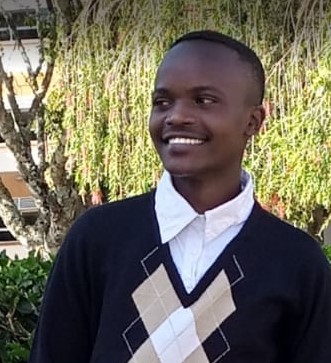
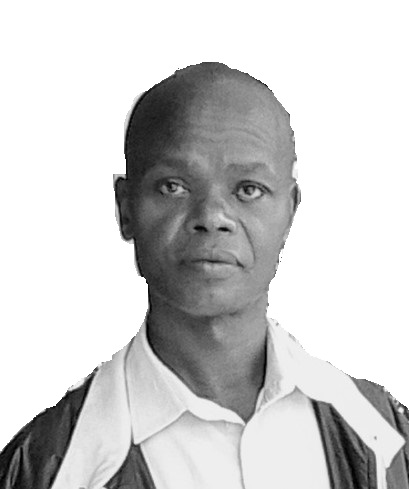
— Jackson Morara
← Back to Blog